

International students: M-1 visa assistance available. Learn more below
Taiwan Students
Your Taiwan Airline Career Starts in California
Train at Gillespie Field (KSEE) in San Diego, California. Earn your FAA commercial license with multi-engine and instrument ratings, then follow the self-trained pilot route to Taiwan’s airlines.
250 Hours
Typical self-trained pilot minimum
12 Months
Zero to airline-ready
60+
Modern aircraft in fleet
M-1 Ready
We handle your I-20
—For Taiwanese international students
Train in the U.S., Fly for a Taiwan Airline
Taiwan’s airlines are growing, and China Airlines, EVA Air, STARLUX, and their regional partners all recruit pilots. Alongside their airline-funded cadet programs, they accept self-trained pilots who earn a commercial license abroad at their own expense. The U.S. is one of the most common places to do it.
You train with us in California, earn your FAA ratings in world-class conditions, then pass the Taiwan CAA written test and apply to the airlines. We guide you through every step.
Important: A U.S. license alone is not enough to fly for a Taiwan airline. Self-trained applicants are typically asked to pass the Taiwan CAA commercial pilot written test, then complete the airline’s selection process and type rating training.

Training Location
San Diego, CA
KSEE, Gillespie Field
Destination
Taiwan Airlines
Self-trained pilot route
Why Choose Sling Pilot Academy?
Skip outdated fleets and long timelines. We are the most efficient and best equipped full-time program that gets you airline-ready, and the fastest-growing flight school in the U.S.
60+
Modern aircraft
10+
FAA certified simulators
KSEE
San Diego training base
30+ Countries
Represented among our graduates
—The academy experience
The fastest-growing flight school in the U.S.
Our full-time airline career program combines structured training, clear milestones, and dedicated student support to help you progress efficiently from zero experience to professional pilot readiness, all in a supportive campus-style community.

Sling NGT Aircraft
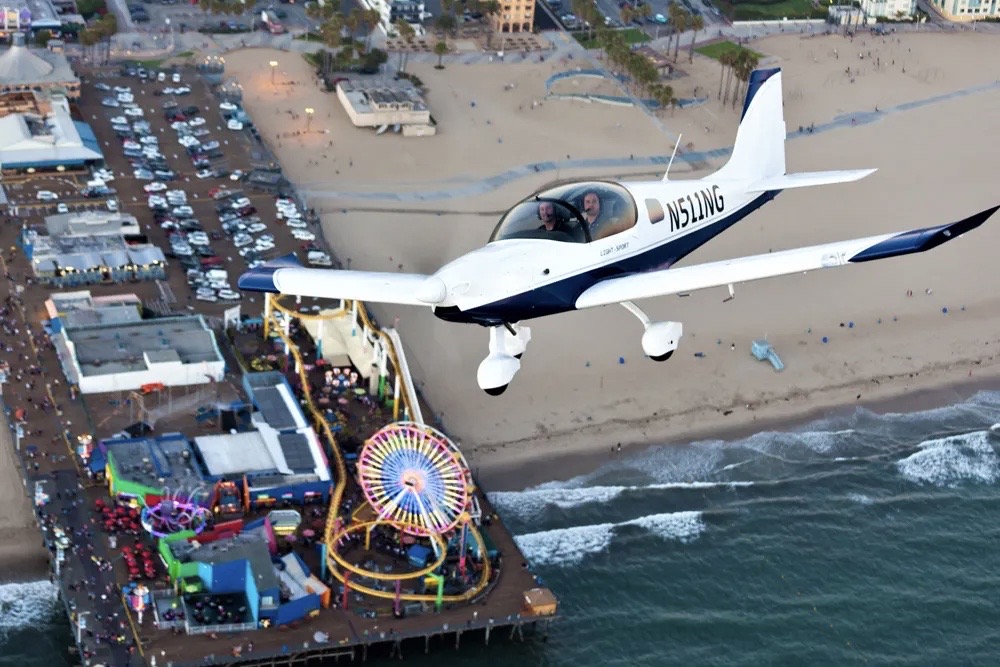
Train in modern glass-cockpit Sling NGT aircraft from day one. 60+ aircraft across Southern California means you’re always flying, never waiting.

Zero to Airline-Ready
Our structured accelerated program takes you from your first flight to ready for ATP hour building in 12 months. Every stage mapped out, no guesswork, no gaps.
Industry-Leading Curriculum
Developed alongside partners including SkyWest. Daily ground school, practical cockpit training, and airline-style procedures from day one.

“Under My Wing” Mentorship
Student Success tracks your progress and keeps you on course, assigning every student a mentor based on their specific needs. You’re never just a number.

Great Flying Location
San Diego gives Sling students over 300 flyable days a year, so full-time training can keep moving. Students are exposed to busy controlled environments, coastal routes, and mountain terrain, all within reach of the academy.

Student Housing Nearby
With accommodation options in the local area just minutes from KSEE, students don’t need to worry about where they’ll stay during training. It’s another way we help guide you through your aviation journey.

—M-1 student visa
How to Train in the U.S. as a Taiwan Citizen
To train at Sling as an international student you will need an M-1 Student Visa, a non-immigrant visa specifically for vocational training. Flight school qualifies.
Sling Pilot Academy is authorized to issue the I-20 form, the document you present when applying. In Taiwan, U.S. visa applications are handled through the American Institute in Taiwan (AIT). We handle the paperwork; you focus on flying.
Flight training is not permitted on visa-free travel or ESTA, so plan your M-1 application early. As a foreign student you will also complete a TSA security approval before training begins, and the FAA requires pilots with foreign addresses to designate a U.S. Agent for Service. We can help you navigate each of these.
After Sling: From FAA License to Taiwan Airline Cockpit
Taiwan’s airlines do not ask you to convert your U.S. license first. Instead, they look for a strong FAA commercial license plus a few Taiwan-specific steps. Here is the typical self-trained pilot path.
Step 01
Finish Your FAA CPL with Ratings and Hours
Airlines ask self-trained pilots for a commercial license that includes multi-engine and instrument ratings, plus a minimum total flight time.
- Commonly 250 hours total, with up to 50 hours of simulator allowed
- Some carriers and recruiters list higher totals or about 30 multi-engine hours
- You must have flown in the last 12 months, so keep current
Step 02
Pass the Taiwan CAA Commercial Pilot Written Test
The Taiwan Civil Aeronautics Administration tests commercial pilot knowledge before any practical test. Airlines typically want this pass on file when you apply.
- Nine subjects, including aviation law, weather, navigation, and human factors
- Rules were updated to recognize valid foreign licenses and hours
- Plan to prepare in Chinese and confirm the current exam schedule with the CAA
Step 03
Medical, English, and Paperwork
Taiwan airlines have their own medical and documentation requirements, separate from your FAA medical.
- Class A aviation medical at the Taiwan CAA Aeromedical Center
- ICAO Level 4 or higher English, or a recent English test score
- Original logbook, plus flight safety records from the FAA and your school
Step 04
Apply to the Airlines
Several Taiwan carriers accept self-trained pilot applications on a rolling basis. Selection is competitive and usually includes testing and interviews.
- China Airlines, EVA Air, STARLUX, and regional partners
- Typical steps: application review, written tests, simulator assessment, interviews
- Successful candidates complete the airline’s type rating training
Already started training in Taiwan?
Bring your current training records, and we’ll help map the FAA path.
Some students come to Sling after starting a Taiwan license or completing part of their training elsewhere. Admissions can review your license, ratings, hours, and training records, then outline what may count, what still needs to be completed under FAA rules, and what you will want in place for Taiwan airline applications.
Taiwan Airline Employment Requirements
Each airline publishes its own criteria and updates them often. Here is what self-trained applicants should prepare for.
What Taiwan Airlines Look For
Airlines like China Airlines, EVA Air, and STARLUX recruit throughout the year, and your Sling training puts you on a competitive footing for their self-trained pilot tracks.
Notably, self-trained pilot applications are generally limited to Republic of China citizens who hold a Taiwan national ID, and male applicants must have completed or be exempt from military service.
Taiwan Citizenship
ROC nationality with national ID
English Proficiency
ICAO Level 4+ or a recent English test
Aviation Medical
Class A medical at the CAA Aeromedical Center
Education
College or university degree, per airline
Taiwan Airline Hiring Checklist
- FAA commercial license with multi-engine and instrument ratings
- 250+ total hours (some airlines require 300), simulator time capped
- Real aircraft flying within the last 12 months
- Taiwan CAA commercial pilot written test passed
- Taiwan CAA Class A aviation medical certificate
- Republic of China citizenship and national ID
- Male applicants: military service completed or exempt
- College degree (foreign degrees need authentication)
- ICAO English Level 4+ or recent TOEIC/IELTS score
- Original logbook and flight safety certificates
Ready to talk through your route?
Speak with our international admissions team about enrollment, M-1 visa timing, your I-20, and how your current training background fits the pathway.
Frequently Asked Questions
Usually not. Taiwan airlines’ self-trained tracks typically ask for an FAA, CAA, or ICAO-recognized commercial license with multi-engine and instrument ratings, plus a pass on the Taiwan CAA commercial pilot written test. Your Taiwan license and aircraft type rating are then completed through the airline’s training. Requirements differ by airline, so always check the current posting.
No. To fly for a Taiwan airline you need to meet Taiwan CAA requirements. The CAA recently updated its rules to recognize valid foreign licenses and to count foreign flight hours when Taiwan citizens who trained abroad take the Taiwan exams, but you will still go through the CAA process and the airline’s selection.
You will need an M-1 Student Visa, specifically designed for vocational training including flight school. Sling Pilot Academy is authorized to issue the I-20 form, the official document you present when applying through the American Institute in Taiwan (AIT). Flight training cannot be done on visa-free travel or ESTA.
A common baseline is 250 total hours, with up to 50 hours of simulator time counted, along with multi-engine and instrument ratings. Some regional carriers and recruiters cite higher totals, and some guidance mentions roughly 30 multi-engine hours. Because Sling’s accelerated program includes a set amount of multi-engine time, ask admissions about hour building so you finish with the numbers your target airline wants.
Both. Airlines run airline-funded cadet programs, where the company sends selected candidates to flight school, and self-trained tracks, where you fund your own commercial license and apply with it. Self-trained applications are typically open year-round, and the two tracks have different eligibility, so check each airline’s current requirements.
While you are unable to work as a CFI in the U.S. using an M-1 visa, you can log all training hours. Some of the biggest advantages of training in the U.S. are California weather, complex airspace, and training volume at Sling, which let you build hours faster and more affordably during the training. Remember that airlines want recent flying, so plan to be current within 12 months of applying.
The CAA written test covers nine subjects, including aviation law and regulations, weather, navigation, weight and balance, and human factors. It is generally taken in Chinese, so many students work with a prep provider and schedule it around their return to Taiwan. Male applicants should also confirm their military service status and any exit-permit rules with the relevant Taiwan authorities before planning a long stay abroad.
From the flight line
A quick look at the aircraft, students, and Southern California flying environment around Sling Pilot Academy.
Swipe or use the arrows to see more videos.